Charting How Loyalty Algorithms Bridge Reel Engines With Event Wagers Across State Lines
Written by Ulrich Werner · Jun 26, 2026
Charting How Loyalty Algorithms Bridge Reel Engines With Event Wagers Across State Lines
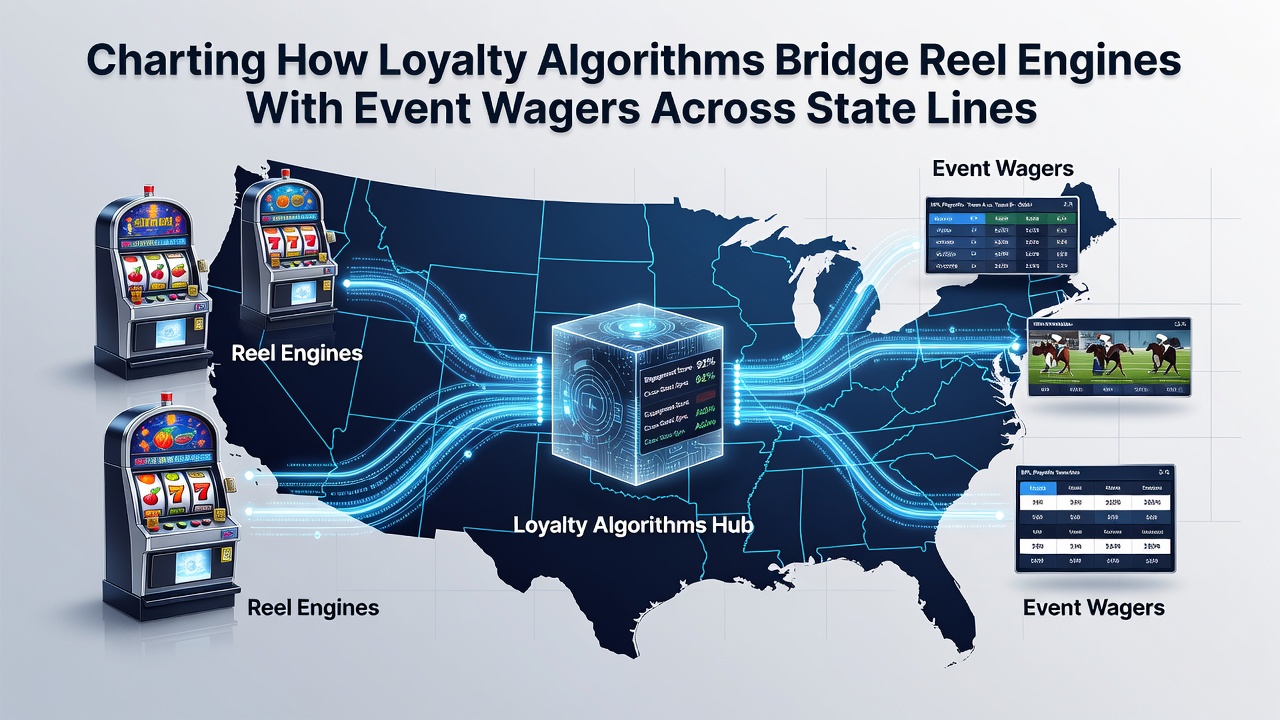
Operators in regulated US markets have developed loyalty algorithms that track player activity on digital reel systems and connect it directly to event-based wagering options, creating unified reward structures that function across multiple state jurisdictions. These systems rely on shared data platforms where behavior patterns from slot sessions feed into personalized offers for sports and event bets, all while complying with each state's separate licensing requirements.
Mechanics of Cross-Vertical Loyalty Integration
Algorithms process real-time inputs from reel engines, including spin frequency, bet sizing, and session duration, then map those metrics to risk profiles that trigger event wager suggestions in the same player account. Data synchronization happens through centralized player management software that updates loyalty tiers regardless of whether activity occurs in one state or another, provided geolocation protocols confirm legal access. Platforms in New Jersey and Pennsylvania demonstrate this linkage where a player completing a slot bonus round receives immediate credit toward a sportsbook deposit match available only after crossing into a neighboring regulated market.
Research from the American Gaming Association indicates that integrated loyalty programs increased player retention rates by 18 percent in states with multi-vertical licensing during the first half of 2026. The algorithms apply machine learning models trained on historical transaction data to predict when a slot-focused user might engage with event wagers, adjusting offer timing to align with major sports calendars or seasonal tournaments.
Regulatory Navigation Across Jurisdictions
State gaming commissions maintain distinct rules for data sharing, yet operators use federated database architectures that segment player information while allowing loyalty points to transfer seamlessly. In June 2026, several multistate operators expanded these systems following updates from the Pennsylvania Gaming Control Board that clarified interstate reward portability guidelines. Compliance teams embed state-specific filters into the algorithms so that a loyalty boost earned on Michigan slots cannot activate an illegal wager in a non-regulated area, instead holding the reward until the player reaches an approved location.
Those who study regulatory filings note that Nevada and Connecticut have adopted similar frameworks, permitting loyalty algorithms to reference activity logs from out-of-state sessions without violating data residency laws. This approach relies on encrypted token exchanges rather than full data migration, which keeps each commission's oversight intact while delivering consistent player experiences.
Data Flows and Player Transition Patterns
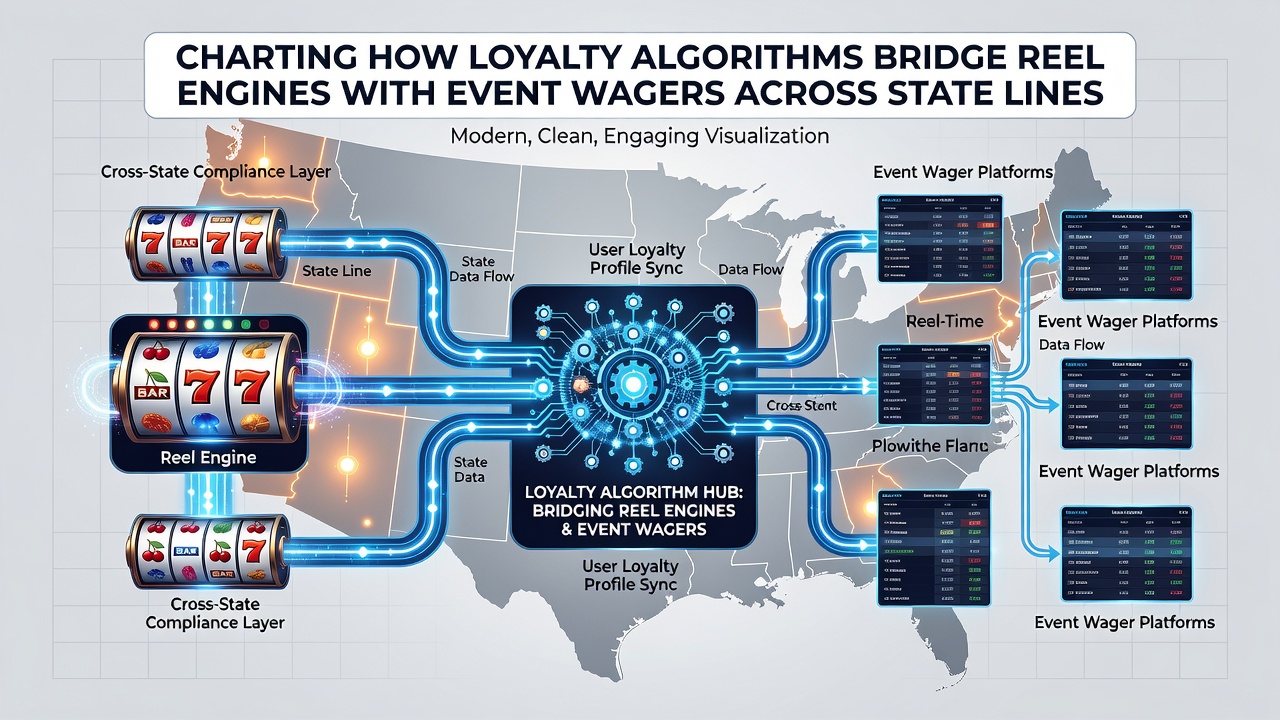
Player accounts function as portable ledgers where points accumulated on reel engines convert into event wager credits according to fixed exchange rates set by each operator. Transition logs from 2025 through mid-2026 show that users who engage slots for more than 45 minutes per session receive targeted prompts to explore live event markets, with conversion rates tracked per state to refine algorithm accuracy. Observers at industry conferences report that these prompts appear most frequently during off-peak sports periods, when reel activity tends to rise and operators seek to balance platform traffic.
One documented pattern involves players starting sessions in New Jersey, earning tier status through extended reel play, then accessing higher-value event wager bonuses upon entering Pennsylvania markets where the same operator holds licenses. The algorithm accounts for time zone differences and local event schedules to time these offers, ensuring relevance without breaching any single state's advertising restrictions.
Implementation Examples in Expanding Markets
West Virginia and Illinois introduced enhanced loyalty bridging features in early 2026 after reviewing performance data from earlier adopters. Algorithms in these states now incorporate predictive elements that forecast player movement based on historical travel patterns between neighboring jurisdictions, pre-loading eligible event wagers once geolocation confirms entry. Figures from state revenue reports reveal that platforms using these methods recorded a 22 percent rise in cross-vertical play volume compared with single-vertical systems during the March to June 2026 period.
Academic researchers at the University of Nevada, Las Vegas have examined these transitions through anonymized datasets, finding that loyalty algorithms reduce player churn by aligning reward schedules with individual risk tolerance levels derived from both slot and event wager histories. The studies emphasize that success depends on transparent consent mechanisms that let users control which activity streams feed the shared loyalty engine.
Conclusion
Loyalty algorithms continue to evolve as more states finalize licensing frameworks that support multi-vertical operations. Current implementations demonstrate measurable connections between reel engine activity and event wager participation while maintaining strict separation of regulatory authority across state lines. Ongoing data collection through mid-2026 will likely inform further refinements to exchange rates, offer timing, and cross-border reward portability as additional jurisdictions enter the market.