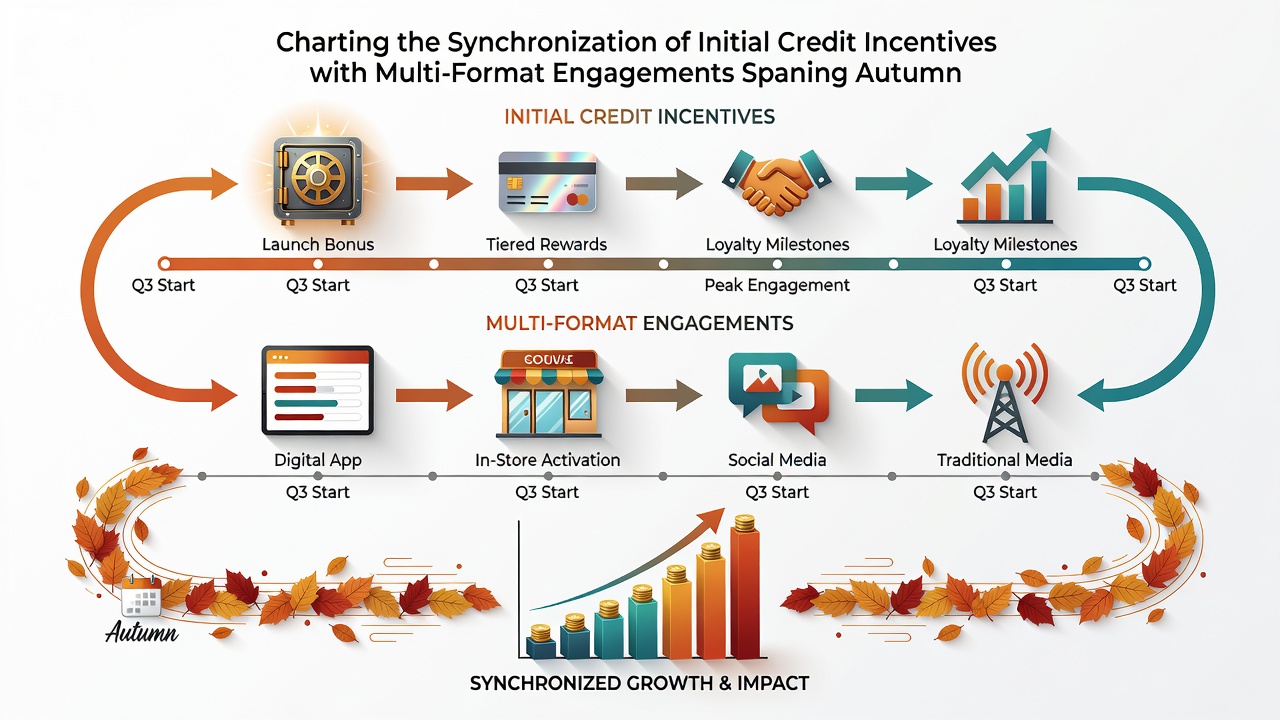
Charting the synchronization of initial credit incentives with multi-format engagements spanning automated machines, dealer-led tables, and competitive sports predictions in expanding regulated zones
Written by Ines Griffin · Aug 14, 2026
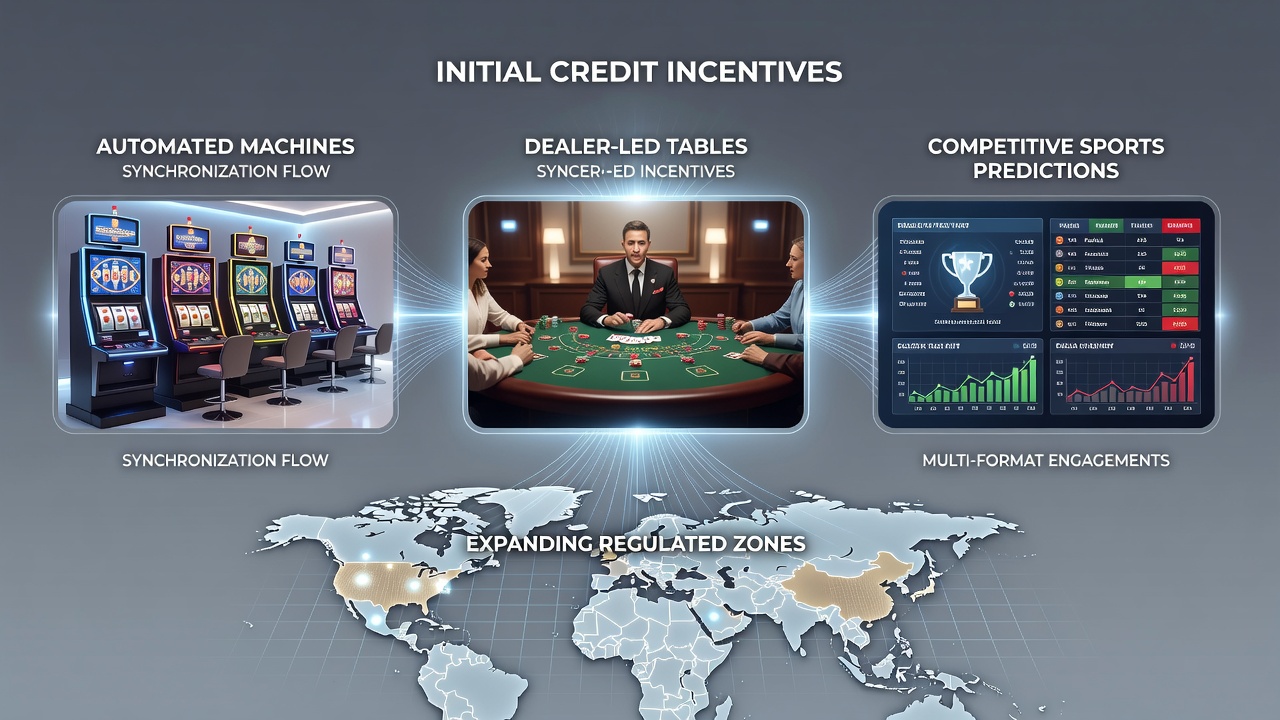
Charting the synchronization of initial credit incentives with multi-format engagements spanning automated machines, dealer-led tables, and competitive sports predictions in expanding regulated zones
Regulated gaming markets in the United States continue to expand, and operators have aligned initial credit incentives with player activities across automated machines, dealer-led tables, and competitive sports predictions, while state-level data shows measurable shifts in participation patterns during 2026.
Initial Credit Incentives in Multi-Format Environments
Initial credit incentives typically appear as welcome packages or deposit matches that operators distribute at account registration, and these credits route through centralized player accounts that track activity across formats. In August 2026 several states reported increased usage of such credits when players moved from automated machines to dealer-led tables within the same session, according to figures released by the Pennsylvania Gaming Control Board. Synchronization occurs through backend systems that apply remaining credits automatically when a player switches formats, which reduces friction and supports continuous engagement.
Automated Machines and Credit Flow
Automated machines, commonly referred to as slots, receive the largest share of initial credits in new jurisdictions because of their high volume of short-duration plays. Systems log each spin against available credits and display remaining balances in real time, while data from multiple operators indicates that players who exhaust slot credits often transition to dealer-led tables when the same balance carries over without additional deposits. This seamless transfer relies on unified wallets that update across platforms within seconds of each transaction.
Dealer-Led Tables and Live Integration
Dealer-led tables present a different engagement profile because sessions last longer and involve direct interaction with staff, yet initial credits apply equally when players select table games after machine play. Regulators in expanding zones require operators to maintain transparent conversion rates so credits retain consistent value whether used on automated or live formats. Observers note that in markets where live dealer options launched alongside slot incentives, average session lengths increased because players extended play by moving credits between the two categories without interruption.
Competitive Sports Predictions and Cross-Format Pathways
Competitive sports predictions integrate with the same credit systems through event-based wagering modules that accept balances originating from either automated or table play. In states that added sports options during 2026 regulatory expansions, player accounts automatically surface available sports markets once credits remain after initial machine or table activity. Reports from the New Jersey Division of Gaming Enforcement document that synchronized incentives produced higher cross-format completion rates, where players who started with machine credits later placed sports predictions using leftover balances.
Regulatory Tracking in August 2026
State commissions track these synchronized flows through mandatory reporting that captures credit origination, format transitions, and final outcomes, and August 2026 filings revealed consistent patterns across newly opened territories. Operators must submit logs that detail how many credits moved from automated machines to dealer-led tables and onward to sports predictions, which allows regulators to verify compliance with responsible gaming thresholds. These datasets also feed into academic reviews conducted by institutions such as the University of Nevada, Las Vegas Center for Gaming Research, where analysts examine transition frequencies without accessing individual player identities.
System Architecture Supporting Synchronization
Backend platforms rely on application programming interfaces that connect slot servers, live dealer management systems, and sportsbook engines to a single ledger, and this architecture prevents credit duplication while maintaining audit trails. When a player completes a round on automated machines, the system pushes updated balances to table and prediction interfaces within the same account session. Such integration meets requirements set by multiple state regulators that mandate real-time visibility for both operators and oversight bodies.
Player Account Features Across Jurisdictions
Portable account features allow balances and incentive status to follow users as new states legalize additional formats, and geolocation protocols confirm eligibility before credits activate in any given market. In regions that opened during 2026, operators deployed unified dashboards that display remaining initial credits alongside available machine, table, and sports options, which supports uninterrupted movement between categories. Data collected through these dashboards contributes to broader industry reports that quantify how incentive structures influence format selection.
Conclusion
State-level data from 2026 demonstrates that synchronized initial credit incentives now span automated machines, dealer-led tables, and competitive sports predictions in expanding regulated zones, with backend systems and regulatory reporting ensuring consistent application and tracking across formats. Continued expansion of legal markets will likely maintain these integrated pathways as standard operational practice.