Decoding Player Transition Strategies Between Casino Floors and Sportsbooks Amid Regulatory Expansions
Written by Taylor Walter · May 31, 2026
Decoding Player Transition Strategies Between Casino Floors and Sportsbooks Amid Regulatory Expansions
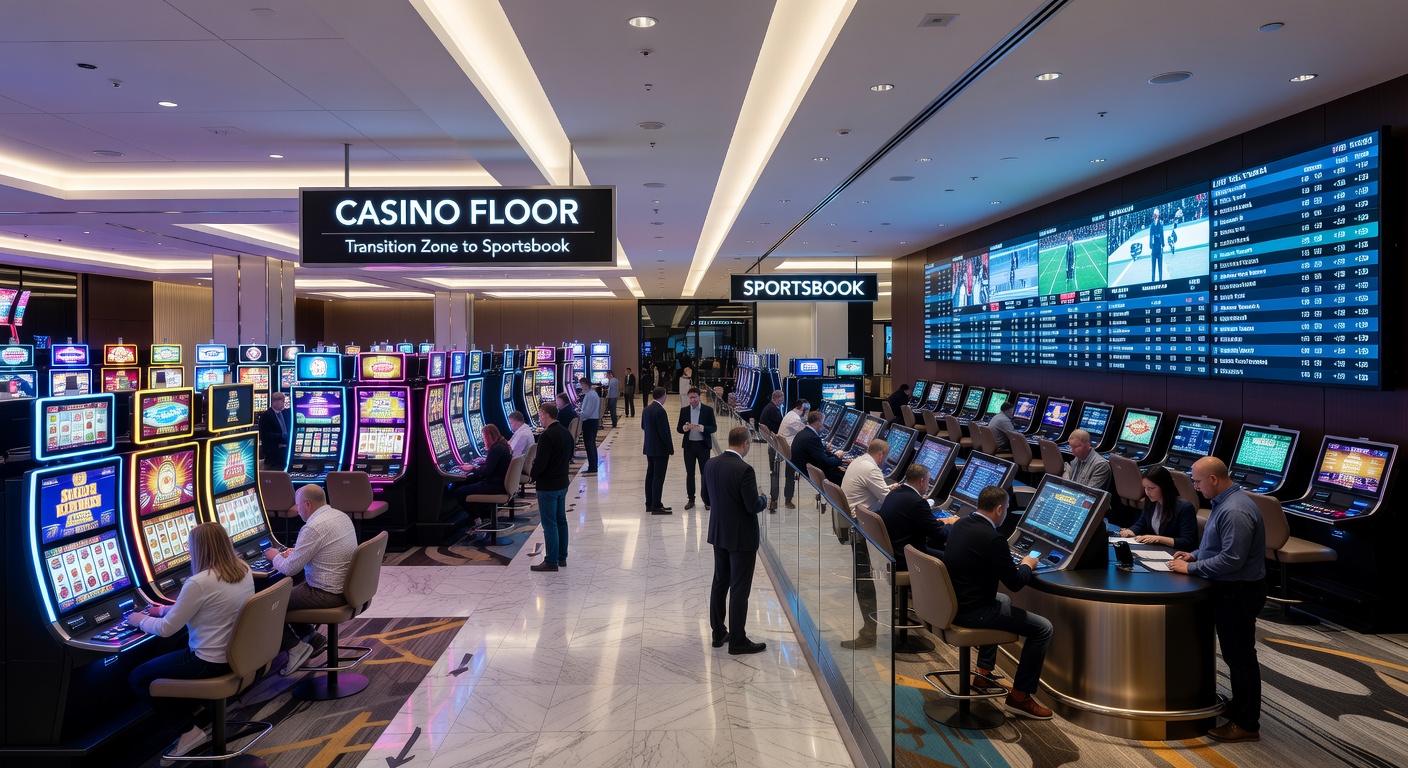
Regulatory expansions across multiple states have created new pathways for players to move between traditional casino floors and dedicated sportsbooks, and data from industry reports shows these shifts occurring in real time as licensing rules evolve. Players often start sessions on slot machines or table games before checking live odds boards, yet the mechanics behind these transitions rely on integrated player tracking systems and state-specific compliance frameworks that continue to adapt through 2026.
Current Regulatory Environment Driving Change
States that expanded sports betting licenses in recent years now require operators to maintain physical separation between casino floors and sportsbook areas while allowing shared loyalty programs, and this setup encourages seamless movement without violating jurisdictional boundaries. Pennsylvania Gaming Control Board filings indicate that combined revenue streams from slots and sports wagering reached record levels by early 2026, with operators reporting increased foot traffic patterns where players alternate between environments within single visits. New rules effective in several markets during May 2026 further clarified how mobile apps can trigger in-person redemptions at either venue, reducing friction for those who prefer hybrid approaches.
Observed Player Movement Patterns
Research from the American Gaming Association highlights that frequent visitors typically begin on casino floors before shifting to sportsbooks once major events approach, and this sequence appears in aggregated session data across legal markets. Those who study these behaviors note that players often use casino rewards points earned at slot machines to unlock enhanced betting limits in adjacent sportsbooks, creating an incentive structure that rewards cross-venue activity. Transitions tend to cluster around peak hours when live sports events overlap with table game promotions, resulting in predictable traffic flows that operators now map through heat sensors and app telemetry.
Technology Enabling Fluid Shifts
Integrated kiosks and mobile platforms allow account balances to transfer instantly between floor games and sports wagers without separate logins, and this infrastructure became standard after regulatory updates standardized data-sharing protocols. Geofencing requirements keep everything within approved state lines while still letting players walk from one area to another without interruption. Observers note that biometric verification at entry points to sportsbook sections reduces wait times compared to earlier standalone setups, which in turn supports quicker decisions when odds change rapidly during games.
Strategic Approaches Documented in Multiple Markets
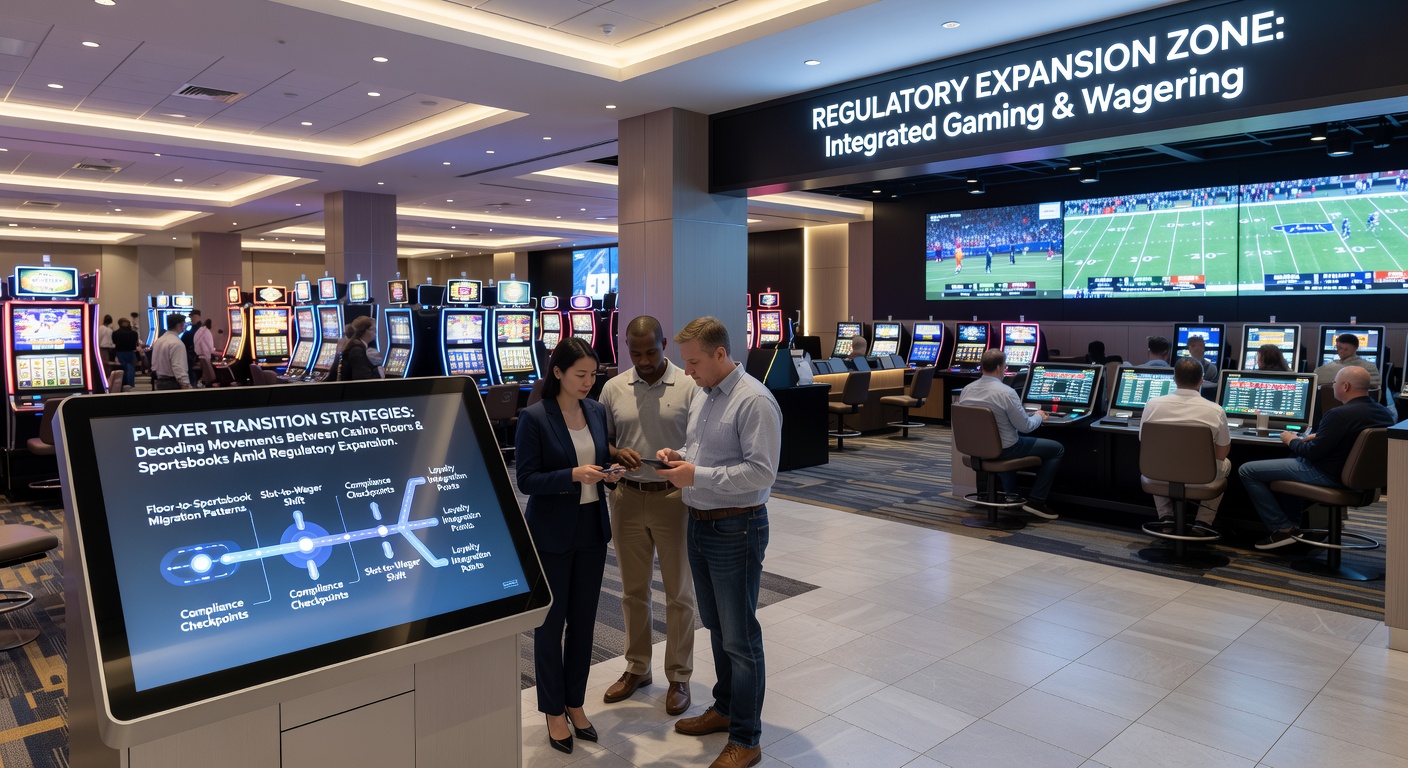
Players in expanded regulatory zones have developed timing tactics that align casino floor visits with sportsbook event schedules, and case studies compiled by university researchers show consistent use of loyalty tier benefits to move value across platforms. Some focus first on high-volatility slots to build bankrolls quickly before placing larger event wagers, whereas others start with smaller sports bets to qualify for casino comps later in the same session. Data from state revenue reports reveals that these sequenced strategies contribute to longer overall visit durations, which operators track as a direct outcome of unified reward systems.
Operators respond by placing digital signage and wayfinding tools that highlight current promotions bridging both environments, and this physical layout design emerged after regulatory reviews emphasized consumer convenience alongside responsible gaming measures. In markets where expansions occurred most recently, average transition times between venues dropped noticeably once unified apps replaced separate logins.
Regional Variations in Implementation
Different states apply unique spacing and staffing rules that influence how easily players move between floors and sportsbooks, with some requiring dedicated staff for each area while others permit shared personnel under strict oversight. Figures released in May 2026 from regulatory bodies in the Northeast showed higher cross-venue participation rates where physical barriers remain minimal yet still compliant. Southern and Midwestern markets that followed similar expansion timelines report comparable patterns once initial adjustment periods concluded, suggesting the strategies generalize across regulatory models.
Conclusion
Player transition strategies between casino floors and sportsbooks continue to evolve alongside regulatory expansions, supported by technology that maintains compliance while reducing barriers. Data collected through 2026 demonstrates measurable increases in multi-venue engagement where unified tracking and reward structures operate under clear state guidelines. These developments reflect ongoing adaptation rather than fixed endpoints as additional jurisdictions finalize their frameworks.