Examining the Role of Predictive Analytics in Optimizing Player Transitions Across Slots, Tables, and Betting Options in Legal US States
Written by Taylor Walter · Jun 5, 2026
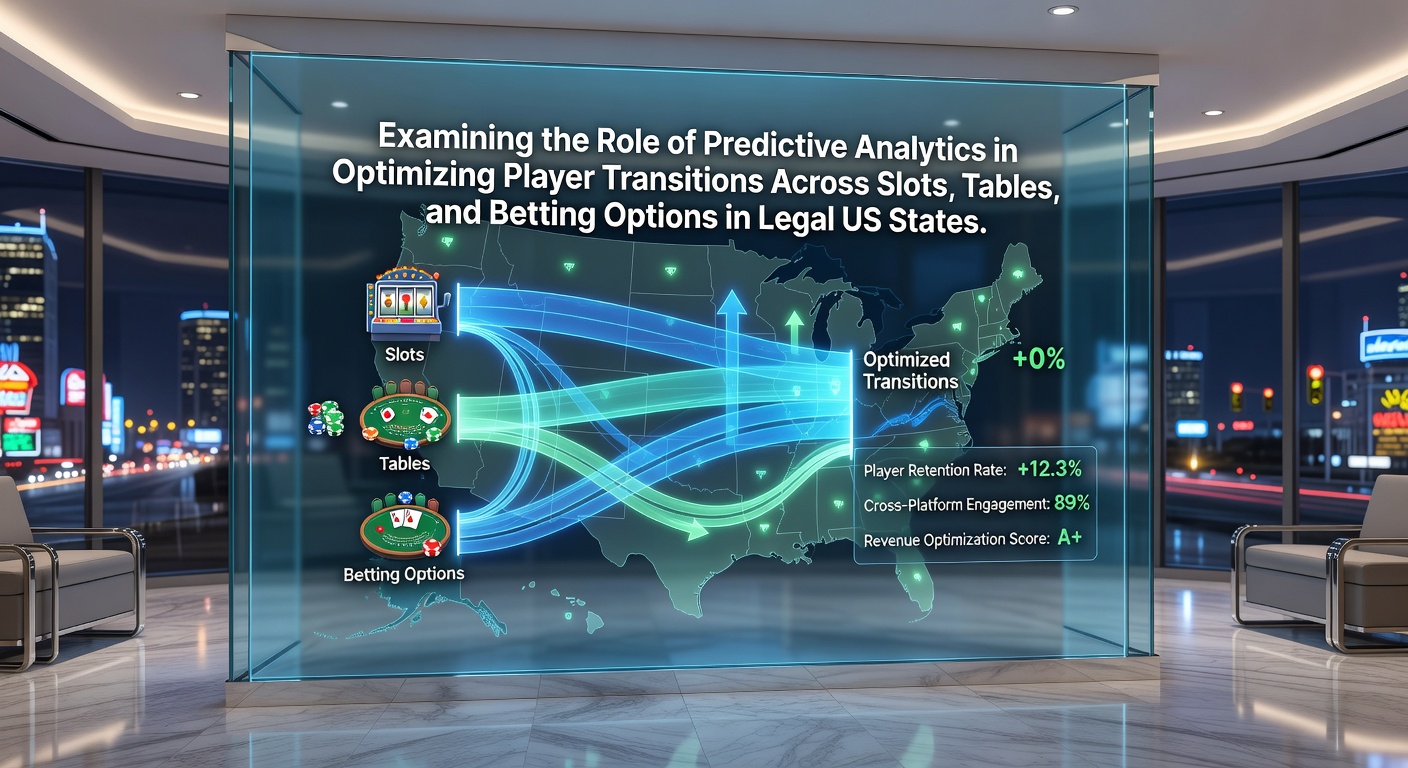
Examining the Role of Predictive Analytics in Optimizing Player Transitions Across Slots, Tables, and Betting Options in Legal US States
Predictive analytics applies machine learning algorithms and statistical models to large datasets of player behavior, and this approach helps operators in legal US states guide users between slots, table games, and betting options with greater precision. Research from state gaming commissions shows that platforms collect real-time data on session length, wager amounts, and game preferences, which then feed into models that forecast when a player might switch formats. According to figures from the Pennsylvania Gaming Control Board, online gaming revenue reached new highs by early 2026, and analysts note that predictive tools contributed to sustained engagement across multiple verticals during that period.
Data Collection and Modeling Techniques
Operators gather information from player accounts including deposit patterns, game selection sequences, and time spent on each activity, while external factors like time of day and promotional responses add further layers to the datasets. Algorithms process these inputs to identify transition points, such as when a slot player shows signs of seeking higher-stakes table options or when a sports bettor might explore live dealer tables during event lulls. Studies published by university research centers indicate that random forest and neural network models achieve accuracy rates above 75 percent in predicting these shifts, allowing systems to deliver timely suggestions through in-app notifications or personalized offers.
Legal frameworks in states like New Jersey and Michigan require explicit consent for data usage, and operators must anonymize records before applying advanced analytics. This regulatory environment shapes how platforms deploy predictive systems, with audits ensuring compliance while still permitting the optimization of player journeys across game types.
Optimizing Transitions in Practice
Platforms use predictive outputs to sequence recommendations that keep players moving smoothly between verticals, for instance prompting a slots user who has hit a bonus round to try blackjack tables based on historical win patterns from similar profiles. In Michigan, where sports betting and online casinos operate under unified licenses, data models track how event-driven betting peaks influence table game traffic, and operators adjust interfaces accordingly to reduce friction during switches. Figures reveal that seamless transitions correlate with longer overall session times, as players encounter relevant options without manual searching.

June 2026 data from expanding markets showed increased adoption of these tools following new app launches in additional states, where operators integrated geolocation checks with behavioral predictions to maintain compliance during interstate play transitions. One study from an academic gaming institute found that players who received analytics-driven prompts completed an average of 1.8 more game switches per session compared with control groups.
Regional Implementation and Outcomes
States with mature markets such as Pennsylvania and New Jersey report that predictive analytics supports cross-promotion between slots and sportsbooks, particularly during major sporting events when models detect rising interest in prop bets alongside casino games. The American Gaming Association tracks these trends through industry surveys, noting that operators in compliant regions achieve measurable lifts in player retention when analytics guide personalized pathways. Data indicates similar patterns emerging in newer jurisdictions, where initial rollouts focus on basic transition models before scaling to more complex multi-format predictions.
Challenges arise when regulatory changes alter data availability or when players opt out of tracking features, yet operators adapt by refining models on consented datasets alone. Observers note that integration with loyalty programs further enhances transition success, as reward points earned on slots can trigger table game bonuses calibrated to individual risk profiles.
Conclusion
Predictive analytics continues to shape how operators manage player movement across slots, tables, and betting options in legal US states by turning behavioral data into actionable recommendations. As more jurisdictions finalize online gaming rules, the role of these tools expands in parallel with revenue growth and technological refinement, supported by ongoing research and regulatory oversight that keeps systems both effective and compliant.