Exploring Interconnected Loyalty Mechanisms Linking Electronic Gaming Devices and Competitive Wagering Options in Emerging State Markets
Written by Ulrich Werner · Jun 9, 2026
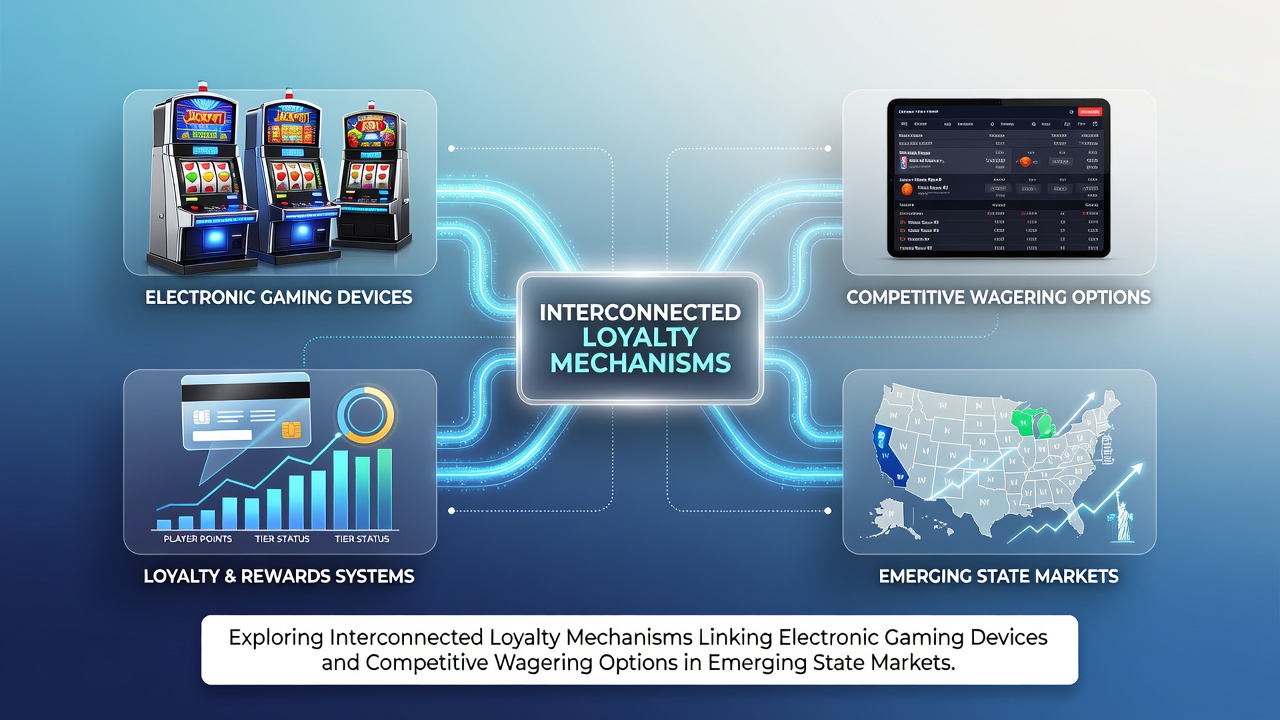
Exploring Interconnected Loyalty Mechanisms Linking Electronic Gaming Devices and Competitive Wagering Options in Emerging State Markets
Interconnected loyalty mechanisms now tie electronic gaming devices directly to competitive wagering platforms across several emerging state markets, allowing players to accumulate and redeem rewards through unified systems that track activity on slots alongside sports bets and other events. These programs operate by assigning points based on play volume and wager types, then converting those points into credits, merchandise, or exclusive access across both categories without requiring separate accounts for each format.
Data from regulatory filings shows that states expanding legalized gaming since 2023 have seen operators deploy these cross-format systems within the first year of market launch, with integration occurring through centralized player databases that sync real-time activity from floor-based machines and mobile apps. In June 2026, several new jurisdictions continued rolling out similar frameworks as part of phased legalization timelines, resulting in measurable shifts in how reward redemptions distribute between device categories.
Core Structure of Cross-Format Reward Systems
Operators design these mechanisms so that every spin on an electronic gaming device and every placed bet on athletic events feeds into one loyalty tier, where multipliers apply based on total handle rather than isolated categories. Points earned from machine play often carry the same redemption value as those generated through sports wagers, though some programs introduce category-specific bonuses such as free spins for high machine volume or enhanced odds credits for consistent event betting.
Technical protocols enable seamless data exchange between gaming machines and wagering software, using encrypted identifiers that prevent fragmentation when users switch between physical venues and digital interfaces. Observers note that this connectivity reduces account management friction, since a single profile maintains progress toward higher tiers regardless of whether activity originates from reels or event lines.
Implementation Patterns in Recently Opened Markets
Emerging states have adopted these linked systems at different speeds, with some requiring operators to demonstrate integrated loyalty capabilities during licensing reviews while others leave the design choices to individual companies. Research indicates that markets opening in 2024 and 2025 recorded faster adoption rates when regulations encouraged portability of player data across game types.
One study released by the University of Nevada, Las Vegas Center for Gaming Research documented how loyalty tiers in two new jurisdictions reached equilibrium between machine-based and event-based contributions within six months of launch, whereas older markets without mandated interconnection showed slower crossover rates. Figures from state reports reveal that June 2026 filings included updated metrics on point redemption splits, highlighting steady growth in combined usage.

Data Flows and Player Transition Metrics
Analytics platforms capture transitions by logging timestamped activity sequences, allowing operators to identify patterns where high machine engagement precedes or follows significant sports wagers. According to records maintained by the Massachusetts Gaming Commission, average session lengths increased when players accessed unified dashboards that displayed combined progress toward rewards, though exact causation remains tied to multiple variables including promotional timing.
Those monitoring these systems report that predictive models now forecast likely crossover behavior based on historical point accumulation rates, enabling targeted offers that encourage movement between formats without disrupting overall play patterns. In emerging territories, such modeling has become standard within operator compliance submissions, supporting regulatory oversight of responsible gaming features embedded in the loyalty architecture.
Regulatory and Operational Considerations
State agencies overseeing new markets often stipulate audit requirements for loyalty databases to verify accurate point allocation across gaming device types and wagering categories. Compliance documentation submitted in June 2026 from several jurisdictions included third-party verification of data integrity, confirming that interconnected systems maintained separation between promotional credits and actual wager funds.
Industry associations such as the American Gaming Association have compiled comparative overviews of these programs, noting variations in how different states define eligible activity for tier advancement. These summaries show that programs allowing full interchangeability between electronic gaming and event wagering tend to report higher overall participation metrics than segmented alternatives, though results vary by market maturity and operator scale.
Conclusion
Interconnected loyalty mechanisms continue expanding in tandem wth new state markets, driven by technical integration that links electronic gaming devices with competitive wagering through shared reward structures and real-time data synchronization. Regulatory filings and academic tracking through June 2026 demonstrate consistent implementation patterns that support player movement across formats while meeting compliance standards for data handling and responsible play features. As additional jurisdictions advance their legalization schedules, these systems provide the operational backbone for unified engagement tracking across both device-based and event-based offerings.