Mapping Digital Token Flows Through Unified Gaming Profiles in Expanding American Jurisdictions
Written by Ulrich Werner · Jul 26, 2026
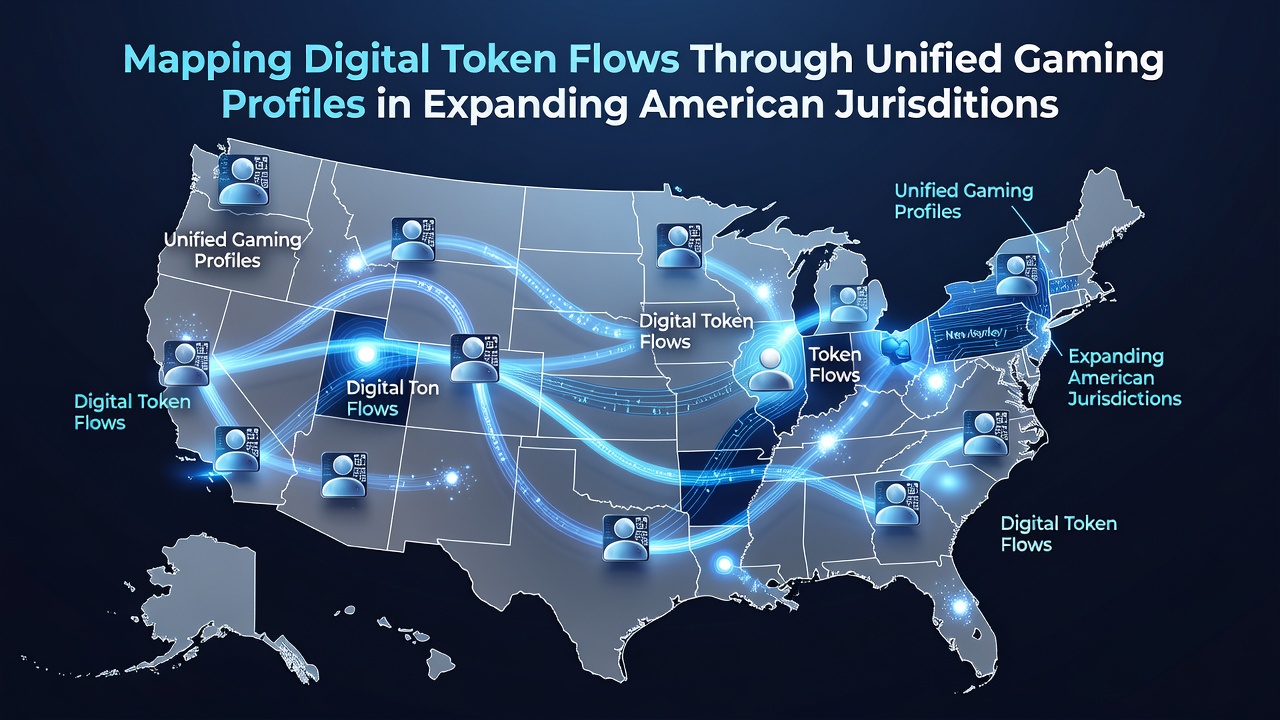
Mapping Digital Token Flows Through Unified Gaming Profiles in Expanding American Jurisdictions
States continue to expand online gaming access, and unified profiles now serve as central hubs that track digital token movements between slots, table games, and sports wagering platforms. These systems assign unique identifiers to player accounts, allowing tokens earned in one format to transfer or convert for use in others while maintaining compliance with state-specific rules. Regulatory bodies such as the Pennsylvania Gaming Control Board have documented how these profiles record token origination, conversion rates, and destination points across integrated platforms. In jurisdictions where multiple product types operate under single licenses, operators map token pathways to ensure balances remain synchronized during player transitions. Data from these mappings reveals patterns where loyalty tokens generated through slot play frequently route toward event-based wagering options within the same session.Core Mechanisms Behind Token Tracking
Unified profiles rely on application programming interfaces that connect disparate game engines to a shared ledger. Each token carries metadata detailing its source, value multiplier, and expiration parameters, which the system updates whenever a player switches formats. Observers note that this structure supports seamless geolocation checks, confirming a player's location remains valid before any token exchange completes.
Research from the American Gaming Association shows that operators in mature markets deploy these tools to monitor cross-format activity without requiring separate logins. Token flows become visible through dashboards that aggregate data from real-money sessions, bonus redemptions, and tournament entries. The resulting maps help regulators verify that all movements adhere to responsible gaming limits established by each state.
Expansion Patterns Across Jurisdictions
By July 2026 several additional states had authorized online offerings, increasing the number of environments where unified profiles operate. Michigan and West Virginia provide recent examples where regulators required operators to demonstrate token mapping capabilities before issuing full approvals. These requirements emerged after earlier implementations in New Jersey revealed that untracked token movements could complicate tax reporting and player dispute resolution.
Industry reports indicate that token velocity, defined as the rate at which digital assets move between product categories, rises sharply following new market launches. Profiles record higher volumes of transfers from casino-style games into sports markets during major events, with reverse flows occurring when players return to slots after placing wagers. Such patterns appear consistently in compliance filings submitted to state commissions.
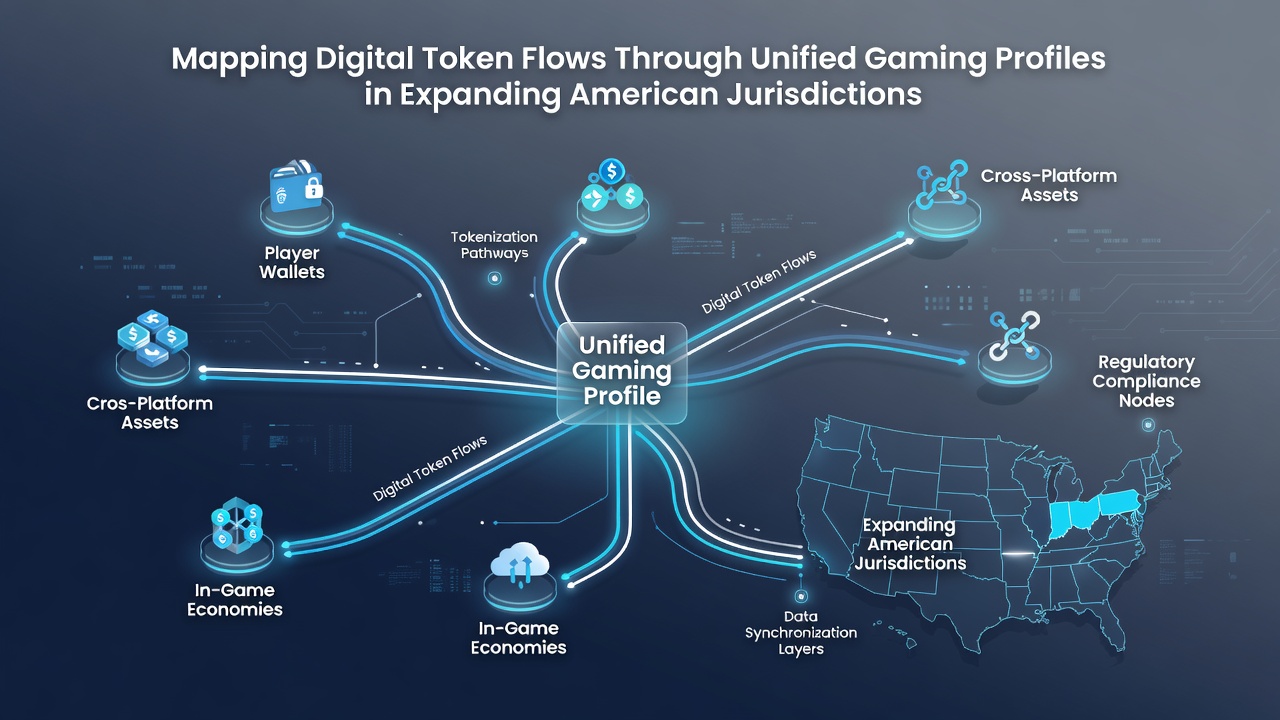
Technical Infrastructure Supporting the Maps
Operators deploy centralized databases that timestamp every token action, from initial issuance through final redemption. These systems integrate with geofencing software to prevent flows that would violate jurisdictional boundaries. Experts have observed that encryption protocols protect the metadata attached to each token, ensuring that conversion rules remain consistent even when players access accounts from different devices.
Case examples from multi-state operators illustrate how predictive models built on historical flow data anticipate peak transfer periods. During March 2026 tournament cycles, for instance, profiles showed accelerated movement of tokens from table games into live dealer environments. Regulators in expanding territories now request similar analytics as part of ongoing oversight procedures.
Player Account Portability and Token Continuity
Account portability features allow tokens to retain value when players move between licensed operators within the same state. Mapping systems log these handoffs, recording the exact conversion applied during transfers. Studies conducted by university research teams have examined how portability affects overall token circulation rates, finding measurable increases once unified profiles become standard.
State gaming divisions require periodic audits of these mapping records to confirm that no tokens cross into unlicensed channels. The audits examine sample datasets covering thousands of player sessions, verifying that metadata remains intact throughout each flow sequence. This verification process supports broader efforts to maintain transparency in markets where product offerings continue to grow.
Conclusion
Mapping digital token flows through unified profiles provides regulators and operators with detailed visibility into player activity across expanding American gaming markets. As more jurisdictions authorize online platforms, these systems continue to evolve to handle increased volumes while preserving compliance standards established by individual states. The resulting data supports accurate reporting, efficient dispute handling, and informed policy adjustments without disrupting teh underlying token economy.