Player Migration Patterns Between Virtual Card Tables and Real-Time Sports Propositions Amid Expanding Digital Gaming Regulations Across American States
Written by Sam Wagner · Aug 21, 2026
Player Migration Patterns Between Virtual Card Tables and Real-Time Sports Propositions Amid Expanding Digital Gaming Regulations Across American States
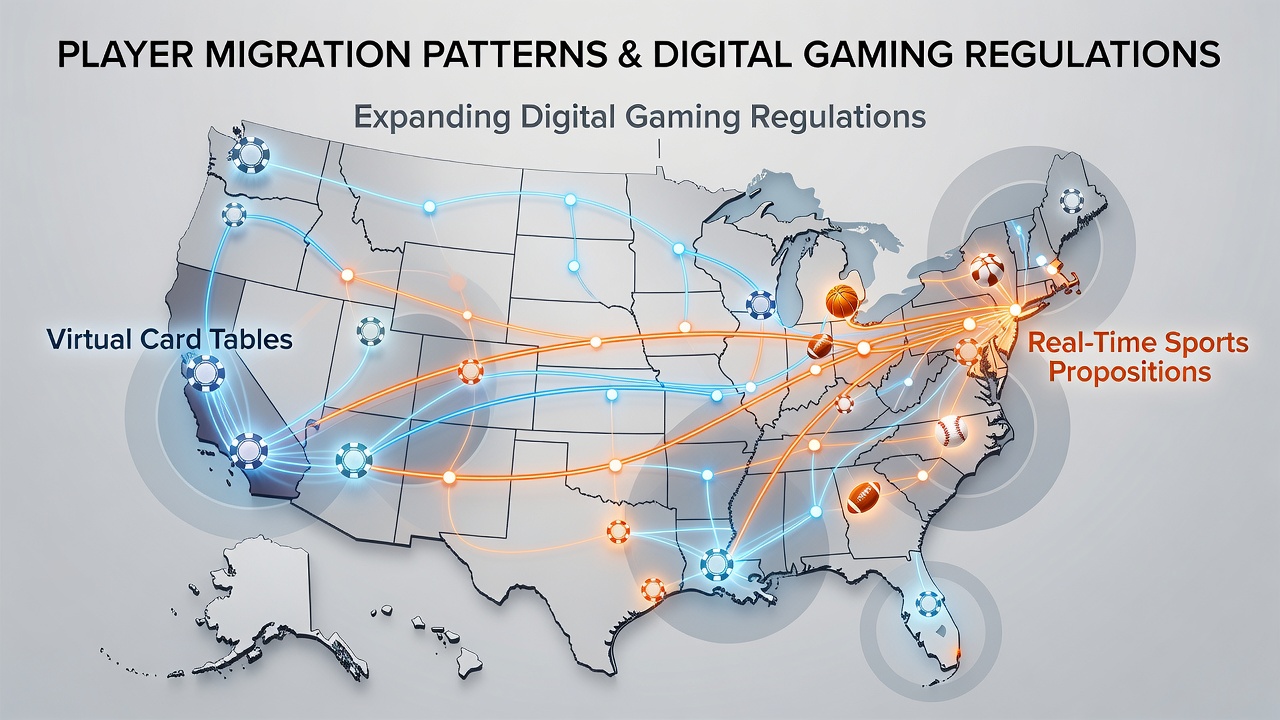
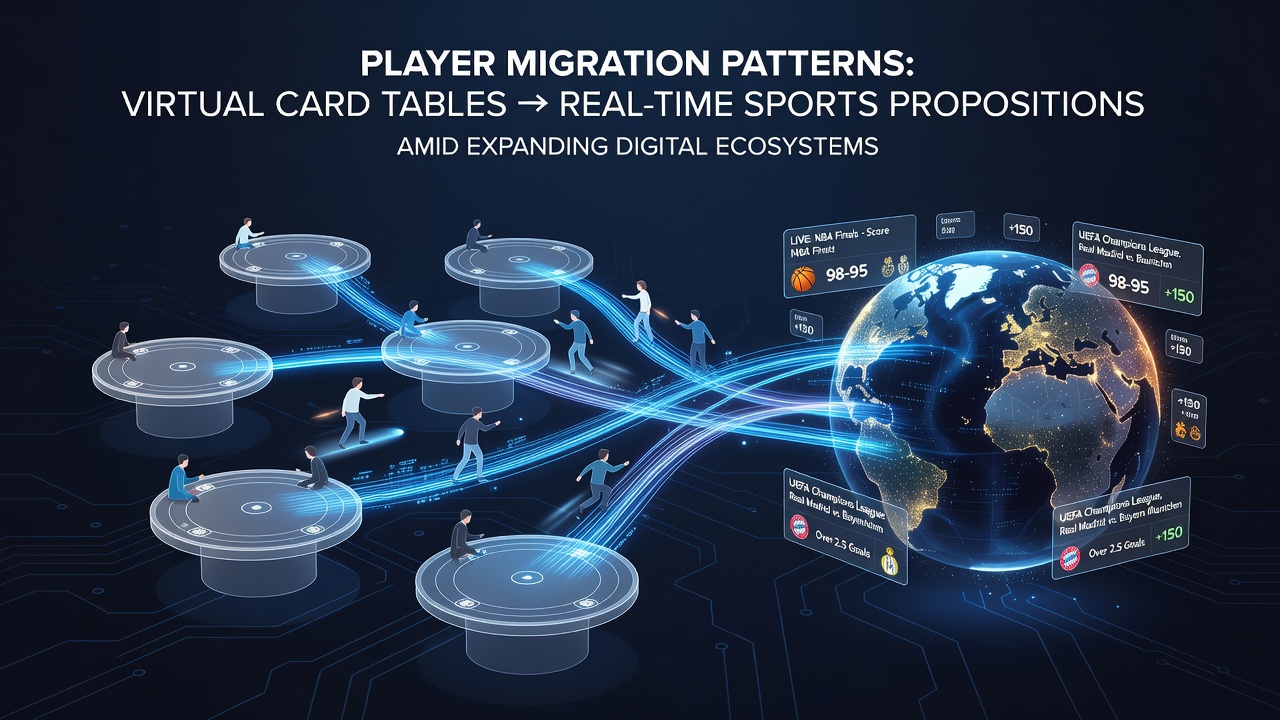
Player migration between virtual card tables and real-time sports propositions has accelerated as more American states expand digital gaming regulations through 2026. Observers note that operators track these shifts through account activity data while geolocation tools maintain compliance across state lines. And data from multiple jurisdictions shows participants often move between poker-style formats and event-based wagers within the same session or across different days.
Regulatory Expansion Driving Cross-Format Activity
States that legalized online poker or sports betting earlier have seen further adjustments in August 2026 as new licensing rounds opened. Pennsylvania and New Jersey updated rules on account portability while Michigan and Virginia reviewed similar frameworks. These changes allow seamless transitions between card rooms and sportsbooks once players verify location and age. Researchers at state gaming commissions report that integrated platforms reduce friction so users explore both card games and live propositions without creating separate profiles.
Observed Migration Trends in Regulated Markets
Figures from platform analytics reveal distinct patterns. Some participants begin with virtual table games during evening hours then shift to real-time sports wagers when major events start. Others follow the reverse sequence after placing pre-game bets. Experts tracking these movements point to bonus structures that reward activity across both verticals. One study released by the American Gaming Association highlighted how combined reward pathways increased session length by connecting table play with event outcomes in compliant regions.
Technology Enabling Fluid Transitions
Geolocation protocols and single-wallet systems support these movements. Players log in once then access card tables or sports interfaces depending on preference and timing. Data indicates that mobile applications now dominate these migrations because push notifications alert users to upcoming sports propositions while they remain at virtual tables. And portable account features tested in several states allow balances and history to carry over without interruption.
State-by-State Variations in Player Behavior
Patterns differ by jurisdiction. In markets with mature poker offerings participants often sample sports propositions during major tournaments or playoff periods. Conversely states that launched sports betting first report growing interest in card tables once operators add live dealer options. August 2026 updates in one Midwestern state introduced shared loyalty tiers that further encouraged movement between formats. Government reports from the New Jersey Division of Gaming Enforcement document steady growth in multi-format accounts since these features rolled out.
Influence of Bonuses and Promotional Structures
Promotions that span card play and sports wagers shape migration routes. Free credits earned at tables convert into sports credits in some systems while event-based bonuses unlock table game access. Observers tracking these incentives note that operators adjust terms frequently to balance activity across verticals. Research compiled by industry groups shows such cross-promotions correlate with higher retention rates in states where regulations permit unified marketing.
Data Sources and Measurement Approaches
Analytics firms aggregate anonymized transaction records to map these flows. Academic researchers at institutions studying gambling behavior have begun incorporating state regulatory filings into longitudinal models. One recent analysis examined how regulatory changes in 2025 and 2026 affected transition rates between poker and sports products. Those findings align with operational data shared by licensed operators in multiple jurisdictions.
Conclusion
Player migration between virtual card tables and real-time sports propositions continues to evolve alongside regulatory expansions across American states. Integrated technology and unified account features facilitate these movements while state commissions monitor compliance. Data collected through August 2026 and beyond will likely refine understanding of how participants navigate these connected entertainment options in expanding legal markets.