Regulatory Impacts on Reward Portability Between Digital Reels and Live Events in American Gaming States
Written by Ulrich Werner · Aug 25, 2026
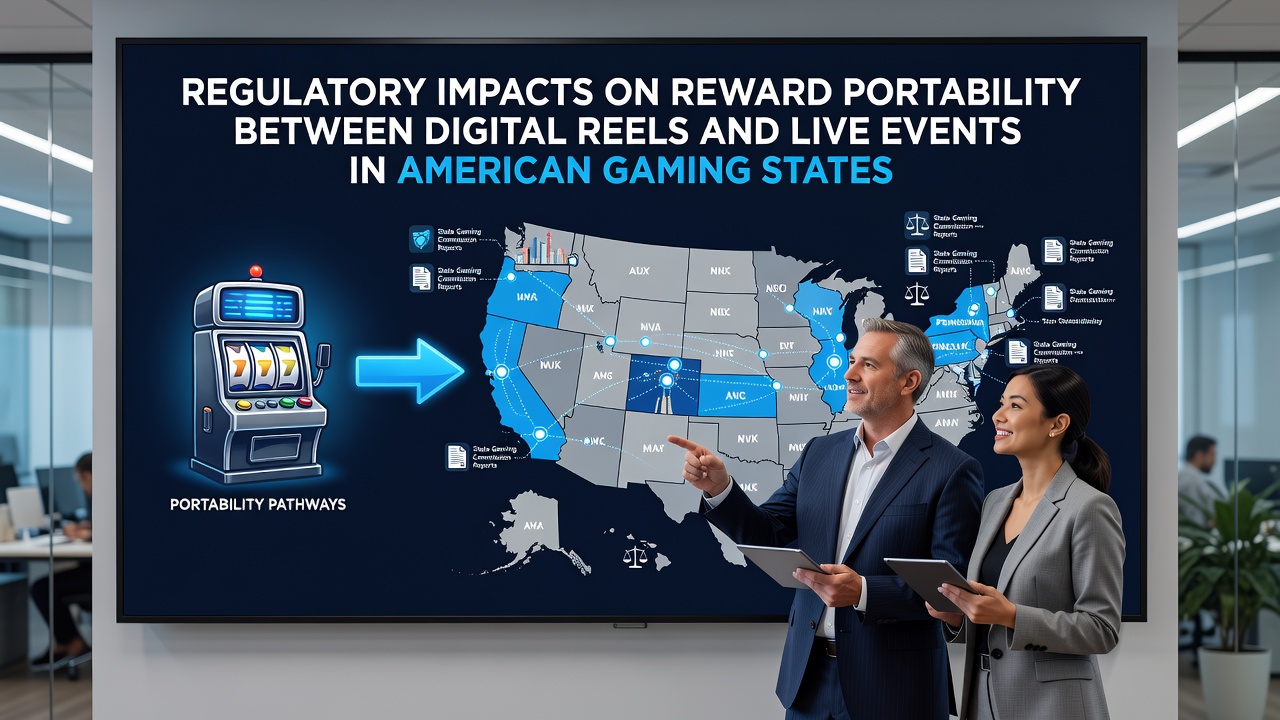
Regulatory Impacts on Reward Portability Between Digital Reels and Live Events in American Gaming States
State Licensing Rules Shape Cross-Platform Reward Movement
Data from multiple American gaming jurisdictions shows that licensing frameworks often determine whether players can transfer loyalty points or bonus credits earned on digital reels directly into live event wagering accounts, and regulators in states such as New Jersey and Pennsylvania have established separate approval processes for each product category which creates distinct compliance pathways. Observers note that when a platform operator holds licenses covering both online slots and sports betting or live dealer tables the technical integration of reward systems still requires explicit regulatory sign-off before portability becomes available to users.
Figures released by state gaming boards indicate that Pennsylvania processed over 120 portability-related license amendments between 2024 and 2026, while Michigan required operators to demonstrate geofencing accuracy and player verification protocols before allowing any transfer of value across product types. These requirements stem from statutes that treat digital reel play and event-based wagering as separate revenue streams subject to different tax rates and reporting obligations.
Tax Treatment and Reporting Obligations Create Technical Barriers
Revenue tracking rules enforced by state authorities mean that any reward moved from one format to another must carry audit trails that satisfy both slot and sports betting tax calculations, and this has prompted operators to build segmented ledger systems rather than unified player wallets. According to information published by the Nevada Gaming Control Board, similar segmentation applies even in states where full account portability is permitted because tax authorities need to isolate taxable events by product category.
Operators in regulated markets therefore maintain separate bonus ledgers that only merge after regulatory review, and this practice has become standard in August 2026 as more states finalize their cross-product compliance checklists. Research from university gaming centers shows that states without unified tax codes experience slower rollout of portable reward features because each transfer event triggers additional documentation.
Player Verification Standards and Geolocation Protocols
Most American gaming states mandate real-time geolocation checks whenever a player attempts to move rewards between digital reels and live events, and these checks must occur on both the sending and receiving platforms. Industry reports compiled by the American Gaming Association reveal that geolocation failures account for the majority of denied transfer attempts, particularly during peak hours when network congestion can affect location accuracy.

States such as West Virginia and Connecticut have updated their verification rules in 2025 and 2026 to require biometric confirmation for high-value transfers, and these additions further lengthen the process even when the underlying accounts belong to the same licensed operator. Data indicates that operators investing in unified identity management systems reduce transfer friction while still meeting each state's distinct security thresholds.
Emerging Interstate Compacts and Their Influence on Portability
Discussions among regulatory bodies in neighboring states have begun to address whether reward portability could extend across state lines when both jurisdictions maintain compatible licensing standards. Current statutes in most American gaming states prohibit such cross-border movement, yet working groups formed under the National Council of Legislators from Gaming States have examined model language that could permit limited transfers if tax revenue allocation agreements are reached first.
Analyses from academic research centers note that any future compact would need to reconcile differing tax rates on slot revenue versus sports betting handle, and this reconciliation remains the primary obstacle cited by state officials. As of August 2026 no compact has been finalized, though several states continue to exchange regulatory staff to study operational models used in other jurisdictions.
Conclusion
Regulatory structures across American gaming states continue to shape how reward portability functions between digital reels and live events through licensing conditions, tax segmentation, verification protocols, and ongoing discussions about potential interstate agreements. Available data shows that operators adapt their systems to meet each jurisdiction's specific requirements while players encounter varying levels of access depending on the states where they participate.