The Interplay Between Regulatory Updates and Feature Portability in Multi-Format Entertainment Platforms Throughout Expanding US Markets
Written by Taylor Walter · Aug 7, 2026

The Interplay Between Regulatory Updates and Feature Portability in Multi-Format Entertainment Platforms Throughout Expanding US Markets
Regulatory shifts in emerging US gaming jurisdictions continue to shape how multi-format platforms handle feature portability, allowing users to move elements like account balances, loyalty points, and bonus structures between slots, table games, and sports wagering options. Data from state oversight bodies shows that as new markets open, operators must align their systems with updated rules on data sharing and cross-format transfers, which directly influences platform design and user access patterns.
Regulatory Evolution in Expanding Territories
States entering the regulated gaming space introduce legislation that addresses data portability requirements, often mandating secure transfer protocols while maintaining consumer protections. According to reports from the Massachusetts Gaming Commission, recent frameworks emphasize interoperability standards that enable seamless transitions without compromising verification processes. These updates require platforms to integrate real-time compliance checks, which in turn affects how features such as progressive jackpots or event-based promotions carry over across different entertainment formats.
Observers note that August 2026 marks a period when several jurisdictions plan to review existing portability guidelines, incorporating feedback from operators on implementation challenges. Research indicates these reviews focus on standardizing API connections between gaming verticals, ensuring that regulatory changes do not disrupt ongoing player sessions or reward accumulations.
Feature Portability Mechanics Across Formats
Multi-format platforms rely on centralized account systems to support portability, yet regulatory updates frequently dictate the scope of what can transfer. Studies from university research groups highlight that features like deposit histories and playthrough progress move more readily in states with unified licensing approaches, whereas fragmented rules create barriers for elements tied to specific game categories. Those who have examined platform architectures find that sports wagering integrations often demand separate compliance layers, limiting how bonus credits flow into live dealer environments or reel-based titles.
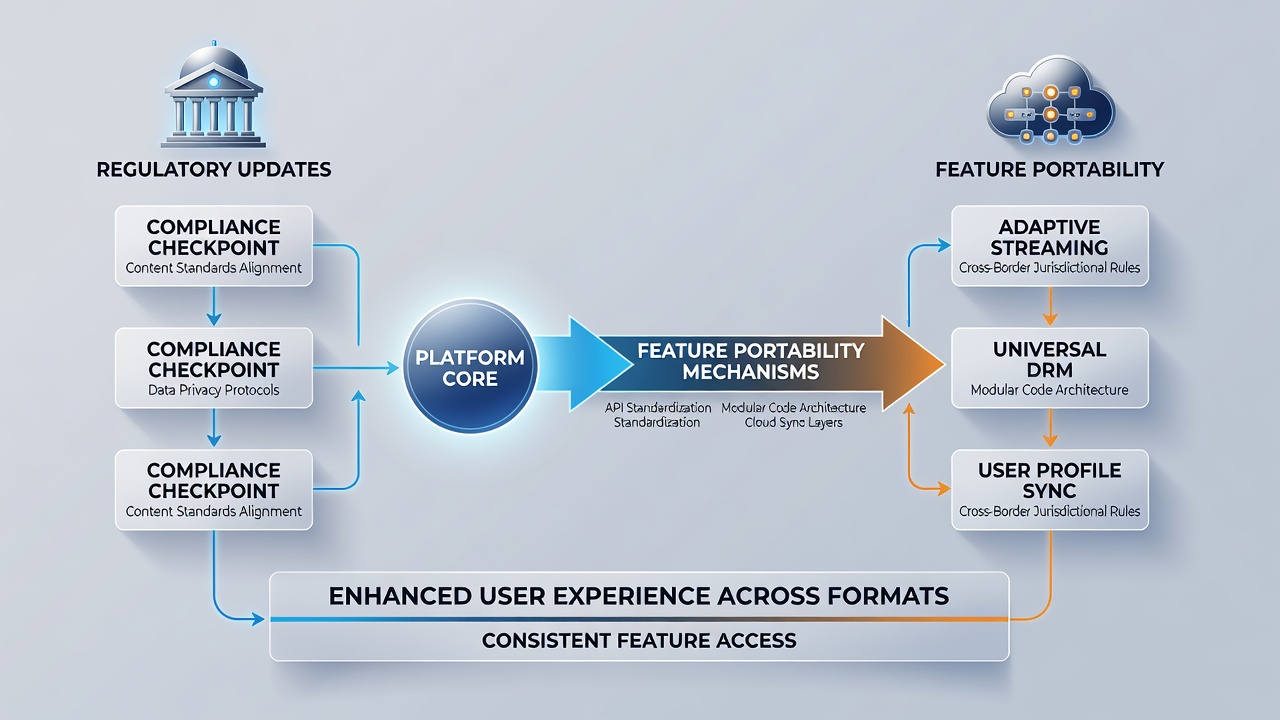
Platform developers respond by building modular systems that adapt to these constraints, allowing partial portability when full transfers exceed current guidelines. Evidence suggests this modular approach reduces compliance costs while preserving core user experiences, particularly in regions where athletic event betting and digital table options operate under distinct oversight categories.
Impact on Platform Development and Compliance
Operators in expanding markets adjust their technology stacks to accommodate regulatory directives on feature movement, with industry associations tracking adoption rates of portable loyalty programs. Figures from the American Gaming Association reveal that platforms incorporating flexible transfer tools see higher retention metrics in newly legalized areas, as users benefit from unified progress tracking across slots, poker variants, and event wagers. Yet regulatory bodies continue to refine rules around anti-money laundering safeguards, which sometimes restrict the speed or volume of cross-format movements.
Case examples from operational platforms demonstrate that phased rollouts of portability features align with legislative timelines, enabling gradual integration of new state requirements. Researchers discovered that delays in regulatory clarification often lead to temporary restrictions on certain transfers, prompting platforms to prioritize core account functions over advanced bonus linkages until guidelines stabilize.
Challenges in Multi-Jurisdictional Operations
Platforms serving multiple states face layered regulations that complicate uniform portability policies, as each jurisdiction may impose unique data residency or audit demands. Data shows that operators investing in centralized compliance engines handle these variations more effectively, maintaining consistent feature availability while meeting local standards. What's interesting here is how some markets link portability rules to responsible gaming measures, requiring verification steps that apply uniformly across entertainment formats.
Academic analyses of platform performance indicate that robust logging systems become essential when regulations evolve, allowing operators to demonstrate adherence during audits. Those who've studied these dynamics observe that successful implementations often involve collaboration between legal teams and technical staff to map regulatory constraints onto system capabilities.
Conclusion
The ongoing dialogue between regulatory updates and feature portability continues to define operational strategies for multi-format platforms in US expansion zones. As additional states advance legalization efforts, the emphasis remains on adaptable systems that balance compliance needs with user convenience across varied entertainment options. Future adjustments will likely build on current patterns, refining how features transition while supporting market growth.