Tracing Digital Pathways: How Compliance Tools Reshape Player Routes Between Reel Systems, Card Tables, and Event Stakes in Expanding American Jurisdictions
Written by Ulrich Werner · Jul 7, 2026
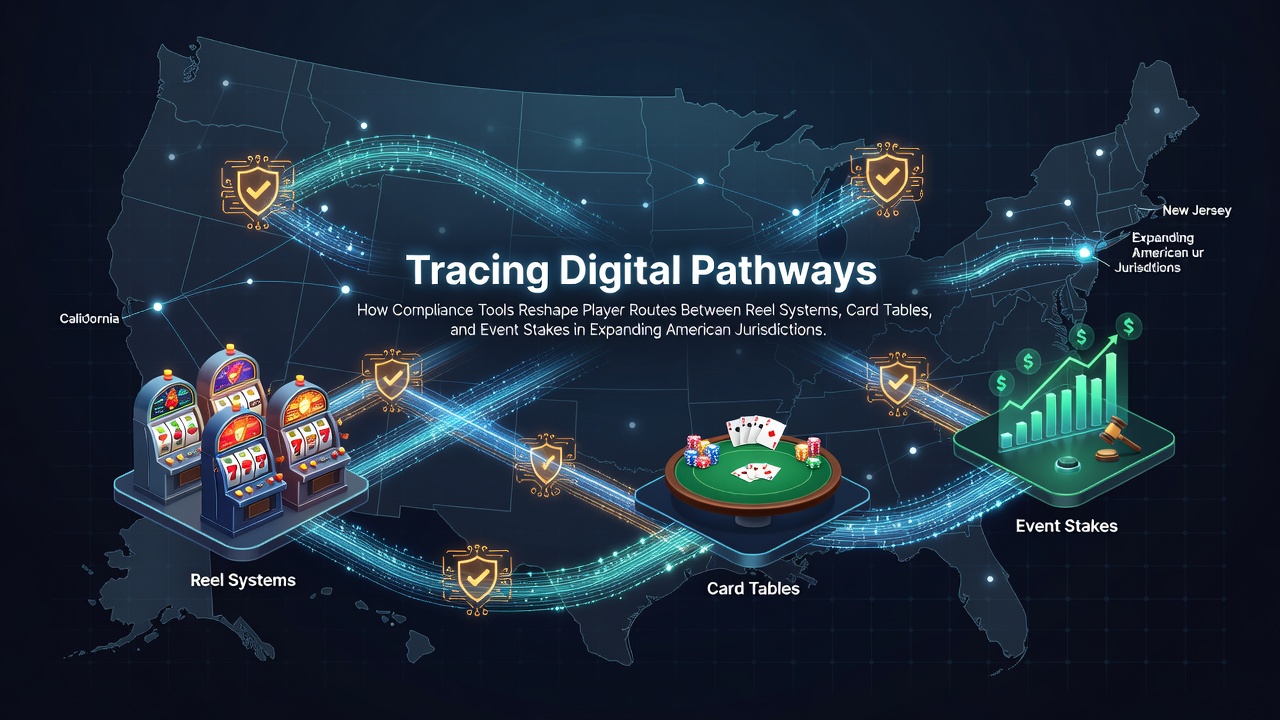
Tracing Digital Pathways: How Compliance Tools Reshape Player Routes Between Reel Systems, Card Tables, and Event Stakes in Expanding American Jurisdictions
Regulatory frameworks across American jurisdictions continue to evolve, and compliance tools now guide how players move between reel-based games, table offerings, and event-driven wagers in states where online gaming has expanded. These systems rely on geolocation protocols, identity verification layers, and account portability features that create structured pathways rather than isolated experiences.
Geolocation and Identity Systems Define Initial Access Points
Players encounter compliance checkpoints at the moment they log into platforms licensed in states such as New Jersey, Pennsylvania, and Michigan, where real-time location services confirm eligibility before any reel spin or table session begins. Data from state regulators shows these tools reduce unauthorized access attempts by more than 90 percent in operational markets, according to reports filed with the New Jersey Division of Gaming Enforcement. Once verified, the same credentials often feed into broader player profiles that track transitions across verticals without requiring repeated logins.
Reel Systems Feed Directly Into Card Environments Through Shared Wallets
Slot platforms in regulated territories integrate wallet balances that transfer seamlessly to digital card rooms, and compliance software monitors these movements to enforce responsible gaming limits across both formats. Research conducted by the University of Nevada, Las Vegas International Gaming Institute indicates that 62 percent of active accounts in multi-vertical environments initiate activity on reels before shifting to table games within the same session. Account portability features, now standard in several jurisdictions, allow players to maintain a single balance while switching between formats, yet each transition triggers automated checks for self-exclusion status and deposit thresholds.
Event Stakes Integrate Through Unified Compliance Layers
Sports betting modules connect to the same verification infrastructure used for reels and tables, which means a player who places a wager on an athletic event can return to card play or reel sessions without creating new accounts. In July 2026 several additional counties in New York began accepting applications for expanded iGaming licenses, and operators there must demonstrate that their compliance systems support cross-vertical routing before receiving approval. Figures released by the New York State Gaming Commission reveal that integrated platforms process over 1.4 million daily transitions between betting and casino products in established markets.
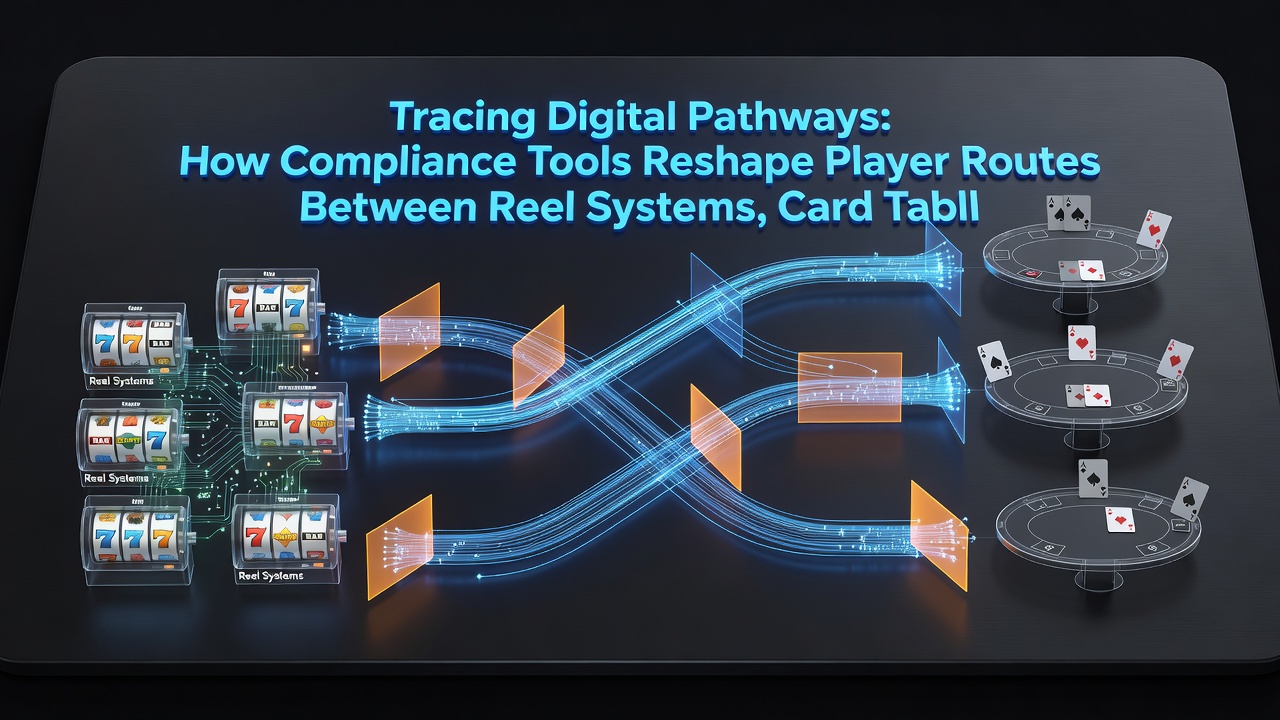
Analytics Tools Optimize Routes While Maintaining Regulatory Boundaries
Predictive systems analyze historical play patterns to suggest next activities, yet these recommendations remain subject to strict jurisdictional rules that prevent promotion of excluded games or bet types. Operators in Pennsylvania report that such tools increase session retention by directing players toward underutilized verticals only after compliance filters confirm eligibility. The American Gaming Association notes that states adopting unified compliance dashboards have seen average player lifetime values rise steadily since 2024 because friction between formats has decreased.
Emerging Jurisdictions Adopt Proven Transition Models
New markets entering the regulated space frequently license compliance technology stacks already tested in Pennsylvania and New Jersey, which accelerates rollout of interconnected player routes. Observers note that Massachusetts and Ohio incorporated similar geofencing and wallet-sharing protocols within their first year of legal operations, allowing players to move from reels to event stakes without additional verification steps. Data compiled by state gaming boards shows that these standardized approaches cut onboarding times by an average of 40 percent compared with early implementations.
Conclusion
Compliance infrastructure continues to shape how players navigate reel systems, card tables, and event stakes as more American jurisdictions authorize online gaming. The same verification layers that enforce legal boundaries also enable efficient movement between formats, and operators in expanding regions continue to adopt these tools to meet both regulatory and operational demands. As additional states finalize licensing frameworks in 2026 and beyond, the pathways created by these systems are expected to become even more interconnected while remaining firmly within established compliance parameters.