Tracing Regulatory Shifts in Cross-Format Reward Portability for Mobile Users in Newly Legalized Territories
Written by Ulrich Werner · Jun 12, 2026
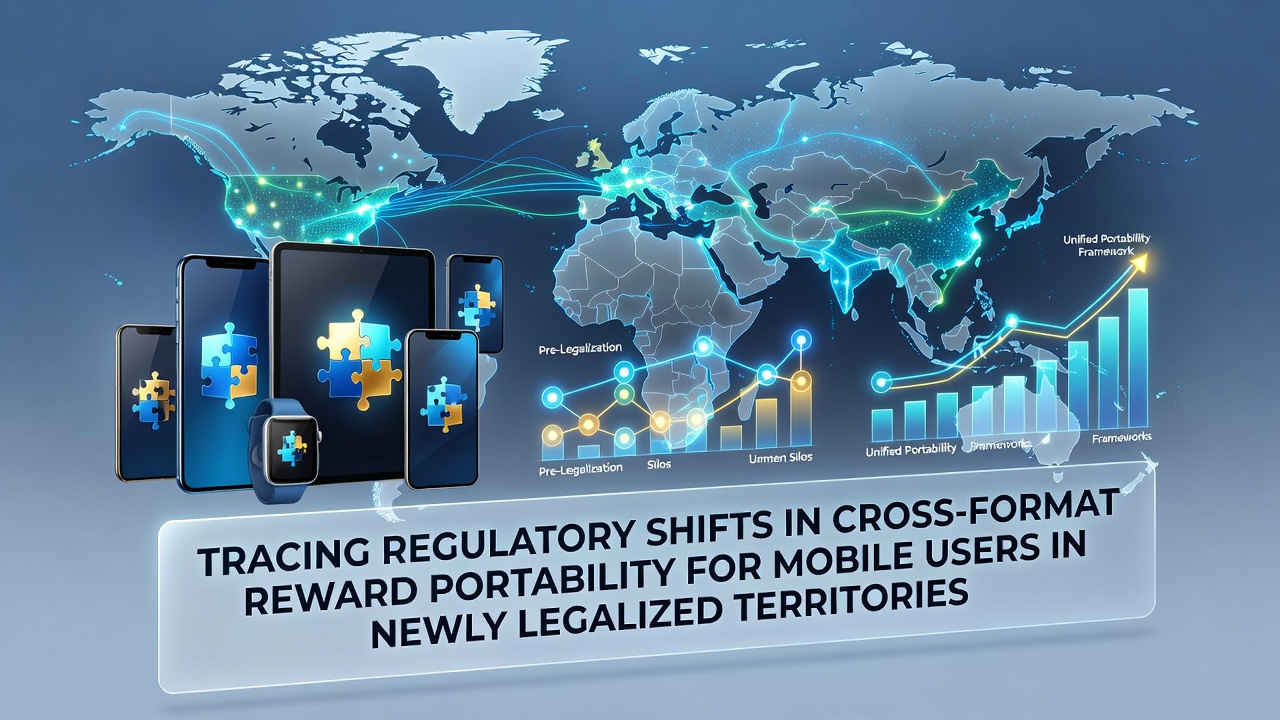
Tracing Regulatory Shifts in Cross-Format Reward Portability for Mobile Users in Newly Legalized Territories
Regulatory frameworks governing reward portability across gaming formats have evolved rapidly in territories that legalized mobile gambling within the past few years, and mobile users now encounter systems that link slot incentives directly to table game credits or sports wagering accounts under controlled conditions. These changes stem from legislative updates that prioritize consumer protection while enabling seamless transitions between entertainment options on handheld devices. Data from multiple jurisdictions shows that portability rules often require operators to maintain unified player ledgers, yet each region imposes distinct verification steps before rewards convert across categories.
Early Legalization Waves and Initial Restrictions
States and provinces entering the mobile gaming space after 2022 typically began with format-specific reward silos that prevented direct transfers, a setup designed to simplify compliance audits during rollout phases. Observers note that early statutes in several American markets mandated separate bonus pools for slots versus event-based betting, which forced users to complete distinct wagering requirements for each category. This structure limited flexibility but allowed regulators to monitor spending patterns through isolated tracking mechanisms before broader integration occurred.
By mid-2025, legislative reviews in multiple areas identified player frustration with fragmented accounts as a barrier to adoption, prompting revisions that introduced conditional portability. These updates required geolocation protocols to confirm user location while permitting reward movement only after identity verification through approved mobile applications. Figures from industry reports indicate that such adjustments coincided with increased session lengths on smartphones as users gained access to previously isolated incentives.
Mobile-Specific Adaptations in 2026
Developments through June 2026 reflect further refinements in how portability operates on mobile platforms, with several newly legalized territories adopting API standards that synchronize reward balances across formats in real time. Experts at regulatory bodies have documented cases where loyalty points earned from digital reel play convert to sportsbook credits at predefined ratios, provided the transaction occurs within the same licensed operator ecosystem. This approach reduces friction for users who switch between entertainment types during a single session on their devices.
Implementation varies by jurisdiction, however, with some requiring mandatory cooling-off periods between conversions to discourage rapid cycling of promotional funds. Research from academic institutions tracking user behavior reveals that mobile interfaces now incorporate visual indicators showing available reward types and conversion eligibility, which helps players navigate the updated rules without external guidance. Those monitoring compliance note that these interface changes emerged after testing phases demonstrated reduced support ticket volumes related to account confusion.
Cross-Border Comparisons and Data Trends
Comparisons with established markets in Canada and parts of Europe highlight how newer American territories have accelerated portability timelines compared to initial European models that retained stricter separation rules for longer periods. According to analyses published by the American Gaming Association, mobile reward integration rates in recently legalized states reached 68 percent of active accounts by early 2026, surpassing adoption curves observed in slower-adopting regions. This acceleration aligns with legislative language that explicitly encourages interoperability while maintaining audit trails for each transaction type.
Additional insights come from studies conducted at institutions such as the University of Nevada, Reno, which examined transaction logs across multiple platforms and found that portability features correlate with higher retention metrics when paired with transparent fee disclosures. Regulatory shifts in these areas often include provisions for automatic reporting of converted rewards to oversight agencies, ensuring that tax implications and responsible gaming flags transfer alongside the balances themselves.
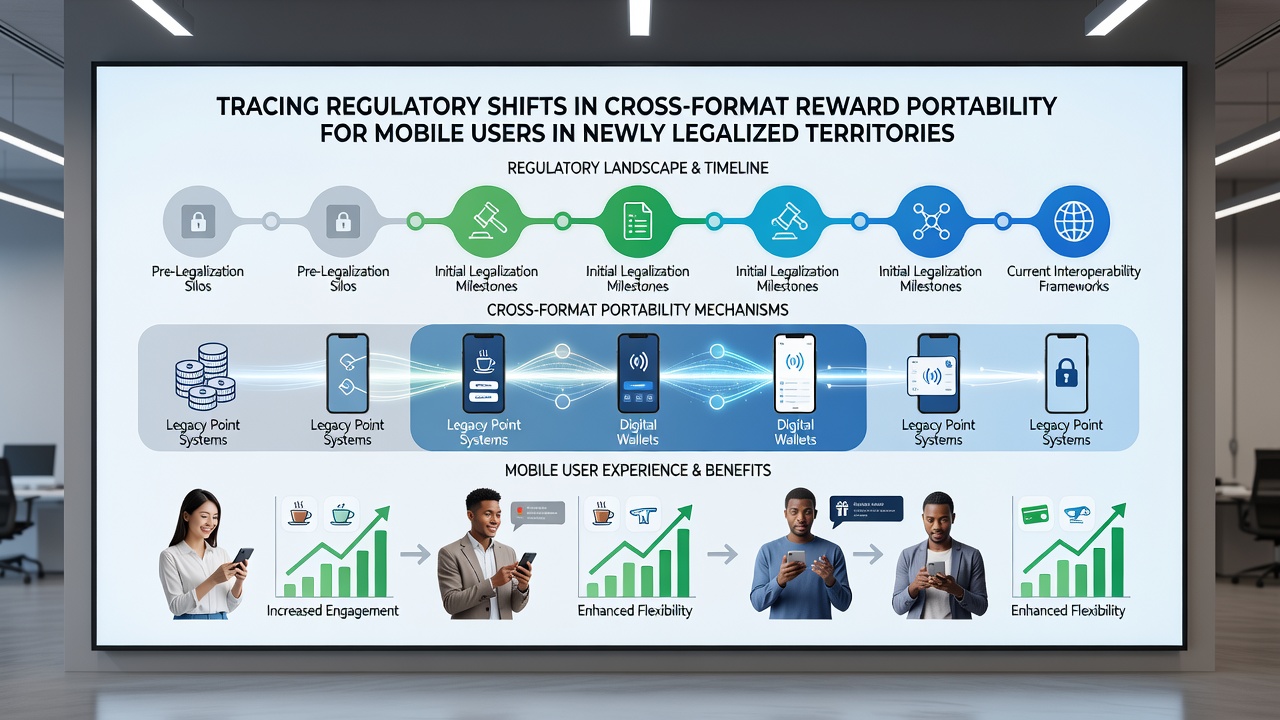
Operational Challenges for Operators and Users
Operators expanding into fresh markets face technical demands around maintaining synchronized databases that handle real-time conversions without introducing latency on mobile connections, and compliance teams must calibrate systems to flag any activity that violates jurisdictional caps on reward movement. Those who have implemented these frameworks report that partnerships with payment processors play a central role in validating cross-format transfers before they finalize. Data indicates that territories adopting unified standards experience fewer disputes over expired or ineligible rewards compared to regions maintaining parallel account structures.
Users benefit from consolidated views of their incentives yet encounter occasional limitations when rewards originate from specific promotional campaigns tied to one format only. Legislative updates in June 2026 have addressed some of these constraints by allowing partial portability for time-limited offers after a minimum playthrough threshold, which balances operator marketing flexibility with consumer access. Monitoring groups continue to track how these layered rules influence overall participation rates across demographic segments.
Future Regulatory Trajectories
Upcoming reviews scheduled for later in 2026 may further standardize portability requirements across additional territories, potentially incorporating elements from successful pilots in states that legalized mobile options most recently. These discussions often center on establishing minimum technical specifications for mobile apps to support secure reward ledgers while accommodating varying tax treatments for different gaming categories. Evidence from ongoing implementations suggests that clear portability guidelines reduce the administrative burden on both regulators and service providers over time.
Conclusion
Shifts in cross-format reward portability continue to reshape mobile gaming experiences in newly legalized territories, with June 2026 marking a period of active refinement rather than wholesale reinvention. Regulatory bodies balance innovation in account integration against safeguards that protect users and maintain oversight integrity. As more jurisdictions refine their approaches, the patterns established in current markets provide reference points for consistent policy development across diverse geographic areas.