Turning Stone Resort Casino Marks Milestone with Crescent Hotel and SALT Restaurant Launch
Written by Sam Wagner · Jul 21, 2026

Turning Stone Resort Casino Marks Milestone with Crescent Hotel and SALT Restaurant Launch
Turning Stone Resort Casino in Verona, New York, has opened the first phase of its $400 million Evolution expansion project, which features the new 258-room Crescent Hotel along with the fine-dining SALT restaurant specializing in seafood and steak dishes. The development integrates additional amenities such as a grab-and-go café, a heritage retail shop, and an on-site Rome Health Convenient Care center, all designed to support increased meetings, conventions, and tourism activity in the region. According to reports from industry sources, the project reflects ongoing investments by the Oneida Indian Nation in its gaming and hospitality infrastructure.
Details of the New Facilities
The Crescent Hotel adds substantial lodging capacity to the resort while SALT restaurant introduces upscale dining options focused on fresh seafood selections and premium steak preparations. Observers note that these additions complement existing operations at Turning Stone by providing dedicated spaces for both leisure travelers and business groups. The grab-and-go café offers quick service options for guests on the move, whereas the heritage retail shop highlights local Oneida cultural items and crafts. Meanwhile the Rome Health Convenient Care center provides on-site medical support to enhance guest safety and convenience throughout their stays.
Researchers tracking casino expansions across New York State have documented similar patterns where integrated hotel and dining facilities drive higher occupancy rates during peak convention seasons. Data from the project indicates that the Evolution expansion aims to position Turning Stone as a stronger competitor in the meetings and events market, drawing visitors from across the Northeast corridor.
Ceremony and Community Involvement
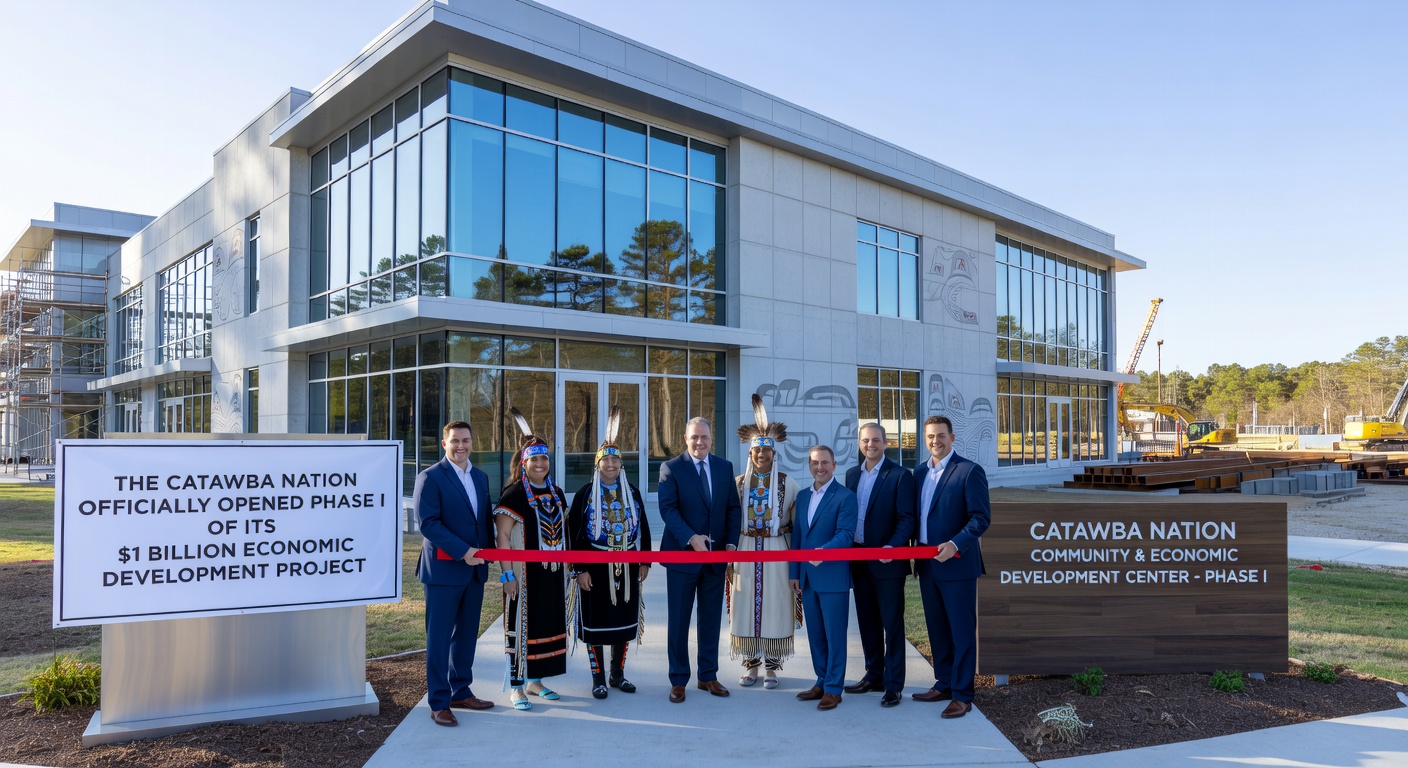
Leadership from the Oneida Indian Nation joined local officials and community members at the opening ceremony to celebrate the milestone. Participants highlighted the collaborative efforts that brought the first phase to completion, including coordination between tribal representatives, construction teams, and regional government agencies. Those who've studied Oneida Nation projects often discover how such events serve as platforms for discussing broader economic contributions to Madison County and surrounding areas.
One study revealed that resort expansions like this one frequently coincide with upticks in local employment during both construction and operational phases. The ceremony itself incorporated traditional elements alongside formal remarks from elected leaders, underscoring the partnership between the Nation and nearby municipalities in fostering tourism growth.
Economic and Tourism Objectives
The expansion targets growth in meetings, conventions, and leisure tourism, sectors that have shown measurable recovery patterns in upstate New York following recent years of fluctuating travel trends. Figures from regional tourism boards suggest that properties offering combined lodging, dining, and convenience services attract longer visitor stays and higher per-guest spending. Turning Stone's addition of the Crescent Hotel and SALT restaurant aligns with these trends by expanding capacity for group events while maintaining focus on individual guest experiences.
According to information released by the Oneida Indian Nation, the project supports ongoing commitments to community development through direct employment opportunities and partnerships with local health providers like Rome Health. The heritage retail shop further extends cultural outreach by showcasing Oneida artistry to a wider audience of resort visitors.
Integration with Existing Operations
Existing Turning Stone facilities now connect seamlessly with the new Crescent Hotel and its adjacent amenities, creating unified pathways for guests moving between gaming areas, dining venues, and meeting spaces. This layout supports efficient operations for large-scale events while allowing smaller groups to access specialized services such as the on-site care center. Industry analyses indicate that such integrated designs reduce logistical friction for convention planners and improve overall guest satisfaction metrics.
What's significant is how the grab-and-go café fills a practical gap for attendees at multi-day conferences, offering accessible refreshments without requiring departure from the property. The SALT restaurant, positioned as a flagship dining destination, operates alongside other resort eateries to provide varied price points and culinary styles for diverse visitor preferences.
Looking Ahead to Subsequent Phases
Future stages of the Evolution project remain scheduled for rollout in the coming months, with additional features expected to build on the foundation established by the Crescent Hotel and SALT restaurant. Updates shared by the Oneida Indian Nation emphasize continued alignment with regional tourism strategies that prioritize sustainable growth and cultural preservation. Those monitoring casino developments in New York note that phased approaches allow operators to assess performance data before committing resources to later elements.
By July 2026, observers anticipate that the completed first phase will have generated preliminary statistics on occupancy and event bookings, informing adjustments for remaining construction timelines. The overall initiative continues to draw attention from economic development groups tracking tribal gaming investments across the state.
Conclusion
The opening of the Crescent Hotel, SALT restaurant, and supporting amenities at Turning Stone Resort Casino represents a concrete step forward in the Evolution expansion, delivering expanded capacity for tourism and conventions while incorporating community-focused elements. Reports from the Oneida Indian Nation and local partners confirm that the first phase integrates lodging, dining, retail, and health services into a cohesive offering designed to meet evolving visitor needs. As additional phases advance, the project continues to contribute measurable activity to the regional economy through direct operations and associated tourism flows.